
12V Hydraulic Valve: Design, Operation, and Applications
The 12V hydraulic valve is a widely used component in mechanical engineering and power hydraulics, essential for controlling the flow of hydraulic fluid in machinery. Its versatility and reliability make it a popular choice in various applications, including vehicles and industrial machines. In its simplest form, the 12V hydraulic valve consists of a closed tube with two connection points and an internal piston that directs the flow of hydraulic oil.
Construction and Functionality of 12V Hydraulic Valves
A 12V hydraulic valve operates by directing hydraulic fluid through a system using a piston that moves within a sealed tube. There are two key ports in the valve:
- Input Port: This is where a hose is attached to supply hydraulic oil from the pump to the piston, causing it to move. The pressure created by the pump drives the movement.
- Output Port: This port connects to a second hose, which transports the hydraulic oil from the valve to a hydraulic cylinder, allowing the cylinder to extend or retract.
These valves can be used in both closed and open hydraulic systems, depending on the requirements of the machinery. In a closed system, the hydraulic fluid circulates within a loop, while in an open system, the fluid is vented out of the system after passing through the valve.
Types of 12V Hydraulic Valves
12V hydraulic valves can be classified based on their construction or control mechanisms. Some of the most common types include:
- One-Directional Valves: These valves allow fluid to flow in only one direction.
- Overflow Valves: Designed to regulate the pressure in a system, these valves release excess fluid when the pressure exceeds a set limit.
- Multi-Section Valves: These valves control multiple hydraulic cylinders or actuators from a single valve body.
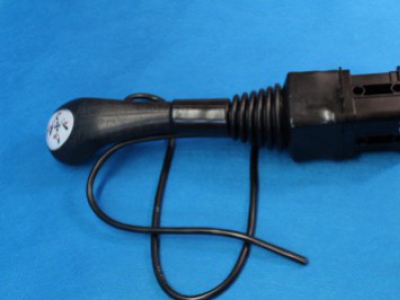
The control of 12V hydraulic valves can be either manual, using levers, or electrical, through 12V power, or a combination of both. This dual control system makes 12V hydraulic valves highly adaptable for machinery such as HDS-edged vehicles and cranes, where operators can manage the hydraulic system both from the comfort of a cabin (via electrical controls) and directly at the valve (via levers).
Applications of 12V Hydraulic Valves
12V hydraulic valves are commonly found in a variety of industrial machines and vehicles, including:
- Cranes: The ability to control the hydraulic system both remotely and manually makes these valves ideal for use in cranes, especially in scenarios requiring fine control from multiple positions.
- Digger and Forklifts: These machines rely on hydraulic valves for controlling the movement of their arms and lifting mechanisms.
- Aircraft: Some hydraulic systems in planes use 12V valves for controlling various functions.
The versatility of these valves allows them to be used in a wide range of applications where precise fluid control is essential.
Key Specifications of 12V Hydraulic Valves
Several key parameters define the performance and suitability of a 12V hydraulic valve for specific applications:
- Piston and Thread Diameters: The size of the piston and the thread connections determine the valve's compatibility with different hydraulic systems.
- Flow Efficiency: Measured in liters per minute (LPM), flow efficiency indicates how much hydraulic fluid the valve can process.
- Maximum Pressure: This defines the maximum amount of pressure the valve can withstand before it risks malfunction or failure.
Manual and Electric Operation
In standard 12V hydraulic valves, the levers typically have three positions:
- Neutral: The lever is positioned vertically, and the hydraulic fluid is sent to the overflow, causing the piston to stay in place.
- Work (Extend): The lever is slanted forward, causing the piston to extend and move the hydraulic cylinder.
- Work (Retract): The lever is slanted backward, causing the piston to retract and return the hydraulic cylinder to its original position.
There are also two-position valves used for simpler configurations, and some manufacturers equip their valves with spring-loaded levers. These spring mechanisms ensure the lever returns to a neutral or default position when released, making operation easier and more efficient.
When it comes to electric control, the operation is similar to manual control, but instead of levers, servomotors are used to move the piston. The servomotors position the piston with high precision, enabling remote or automated control of the hydraulic system.
Working Conditions and Oil Requirements
12V hydraulic valves are designed to operate within a wide range of temperatures:
- Ambient Temperature: Between -40°C and +60°C.
- Oil Temperature: Between -15°C and +80°C.
The type of hydraulic oil required for operation is typically specified by the valve manufacturer, depending on the valve's design and intended application.
Conclusion
The 12V hydraulic valve is an essential component in many industries, offering reliable and precise control over hydraulic systems. Its versatility, with both manual and electric control options, makes it a perfect solution for vehicles like cranes, diggers, and forklifts, as well as for industrial applications requiring precise fluid control. Whether used in high-pressure environments or extreme temperatures, these valves ensure smooth, efficient operation, making them indispensable in mechanical engineering and power hydraulics.
Photo Gallery


Do you need help?

Contact with us today!
We will help you select right kit. Contact us today at shop@hydraulic-master.com