
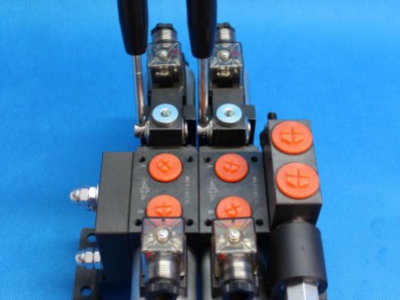
Understanding the 2 Spool Hydraulic Control Valve
A 2-spool hydraulic control valve is one of the fundamental components in hydraulic machinery. It regulates fluid flow into different paths from one or more sources, ensuring that hydraulic systems operate smoothly. The valve consists of two spools housed inside a cylinder, which can be mechanically or electrically controlled. The movement of these spools controls the fluid flow, enabling the redirection of hydraulic power to the desired location in the system.
Spool Type Control Valve: Lands and Grooves
The spool-type control valve is composed of lands and grooves. The lands block fluid flow, while the grooves allow oil or gas to flow around the spools and through the valve body. The movement of the spools between their different positions determines how the fluid flows, allowing precise control of the hydraulic circuit.
Valve Positions: Normal and Working
There are two primary positions for a directional control valve:
- Normal Position: The valve returns to this position when the actuating force is removed
- Working Position: This is the position the valve adopts when the actuating force is applied
Additionally, there are valves with three or more positions, which can be spring-centered, featuring two working positions and one normal position. These multi-position valves offer greater flexibility in controlling the hydraulic system.
Specification of 2-Spool Control Valves
2-spool control valves are typically specified based on the number of ports and the number of switching positions. This can be represented in the general form of np/ns, where:
- np is the number of ports connected to the directional control valve
- ns is the number of switching positions
For example, a valve could be specified as a 4-way, 3-position control valve, or 4/3 control valve, indicating four ports and three switching positions.
In a typical 4/3 control valve:
- One port, called the pressure port, is connected to the pump
- A second port, the tank port, is connected to the reservoir (or tank)
- The remaining two ports are working ports, which connect to the actuator
Considerations When Selecting a 2-Spool Valve
When selecting a 2-spool control valve, it is important to consider not just its mechanical characteristics but also factors such as:
- The type of fluid suitable for the valve
- The operating temperature range
- The viscosity of the fluid
These parameters ensure the valve performs optimally in a given hydraulic system.
Methods of Actuation for 2-Spool Control Valves
2-spool control valves can be actuated using various methods, including:
- Manual actuation
- Electrical actuation
- Pneumatic actuation
- Hydraulic actuation
Manually Operated 2-Spool Control Valves
Manually operated valves use levers or paddles to move the spools. The operator applies force to control the fluid flow. In some designs, a spring force is used to return the valve to its normal position when no force is applied.
Electrically Operated 2-Spool Control Valves
Electrically operated valves use electromechanical solenoids to slide the spools. These valves are widely used due to the simplicity of applying electrical power to control fluid flow. However, solenoids typically generate limited force unless they consume large amounts of electrical power.
Limitations of Electrical Solenoids
A drawback of electrically operated valves is the heat generated by solenoids, which can limit their duty cycle. Prolonged use without adequate cooling can lead to overheating, reducing the solenoid's effectiveness.
Pilot-Operated Systems: Combining Low Power and High Force
To overcome the limitations of direct solenoid operation, a pilot-operated system is often used. In this design, a low-power solenoid valve operates a small hydraulic valve (the pilot), which then starts the flow of fluid to a larger hydraulic valve. This method enables the system to manage higher forces while keeping electrical power requirements low.
Photo Gallery
Do you need help?

Contact with us today!
We will help you select right kit. Contact us today at shop@hydraulic-master.com