
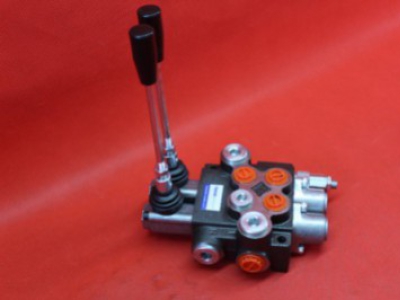
Understanding 2 Spool Hydraulic Valves: Key Functions, Types, and Applications
A 2 spool hydraulic valve is a crucial component used to control the flow of hydraulic fluid in various hydraulic systems. These valves are commonly found in a wide range of applications, from automotive power-steering systems to construction machinery like cranes, loaders, and diggers. The primary function of a 2 spool hydraulic valve is to regulate the flow of hydraulic fluid from a pump to an actuator, either allowing fluid to pass through or blocking its path, depending on the valve's position.
Construction and Operation of 2 Spool Hydraulic Valves
The design of a 2 spool hydraulic valve is relatively simple but highly effective. It consists of a sealed case housing a cylinder, with connections for hydraulic hoses. One hose connects to the pump, while others connect to additional hydraulic components, such as actuators. Under pressure, fluid flows from the pump into the valve and then to the desired hydraulic devices or returns to a hydraulic storage tank. A controller moves the spools within the valve body, allowing the fluid to travel in specific directions based on the position of the spools.
The spools in the valve are designed with lands and grooves. The lands block the flow of oil, while the grooves allow the hydraulic fluid to move freely through the valve body. Depending on the spool's position, the valve either permits or restricts fluid flow, ensuring the hydraulic system performs specific tasks.
Types of 2 Spool Hydraulic Valves
2 spool hydraulic valves can be categorized into several types, including:
- Directional Control Valves: These valves manage the direction of fluid flow, allowing it to move in one or more directions depending on the spool's position.
- Check Valves: These prevent the backflow of hydraulic fluid, ensuring it moves in only one direction.
- Drain Valves: Used to release excess hydraulic fluid from the system, preventing overpressure.
- Shut-off Valves: These valves completely block fluid flow, isolating parts of the system for maintenance or safety reasons.
Direct-Operated vs. Pilot-Operated Valves
2 spool hydraulic valves may be either direct-operated or pilot-operated, depending on the actuation method. A direct-operated valve is typically controlled through solenoids (electrically), levers (manually), or mechanical rollers. The type of actuation required depends on the force needed to move the spool and the size of the valve.
- Manually Operated Valves: These are controlled by simple levers or paddles, where the operator physically moves the valve. Springs may return the valve to its default position after use.
- Electrically Operated Valves: These utilize electromechanical solenoids to shift the spool. They are widely used due to the simplicity of applying electrical power for control. However, direct-acting solenoids have limited force generation, making them ideal for systems with low actuating force requirements. Additionally, excessive use of electrical solenoids over time can lead to heat buildup, restricting their use in high-power applications without cooling mechanisms.
Pilot-Operated Valves
In cases where higher actuating forces are required, pilot-operated valves are employed. A small, low-power solenoid valve (the pilot) initiates the flow of hydraulic fluid, which in turn actuates a larger valve that requires more force. This method is commonly used in heavy-duty applications where direct control via solenoids is not feasible.
Overall, 2 spool hydraulic valves are integral to modern hydraulic systems, offering precise control over fluid movement, and ensuring efficient operation across industries. Whether manually or electrically operated, these valves enable systems to perform complex tasks with ease.
Types of 2 Spool Hydraulic Valves
The design of a 2 spool hydraulic valve is relatively simple but highly effective. It consists of a sealed case housing a cylinder, with connections for hydraulic hoses. One hose connects to the pump, while others connect to additional hydraulic components, such as actuators. Under pressure, fluid flows from the pump into the valve and then to the desired hydraulic devices or returns to a hydraulic storage tank. A controller moves the spools within the valve body, allowing the fluid to travel in specific directions based on the position of the spools.
The spools in the valve are designed with lands and grooves. The lands block the flow of oil, while the grooves allow the hydraulic fluid to move freely through the valve body. Depending on the spool's position, the valve either permits or restricts fluid flow, ensuring the hydraulic system performs specific tasks.
Photo Gallery


Do you need help?

Contact with us today!
We will help you select right kit. Contact us today at shop@hydraulic-master.com