
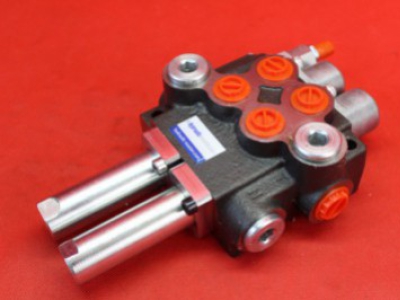
Hydraulic Loader Valve: Key Features, Functionality, and Applications
The hydraulic loader valve is a crucial component in vehicles and machines used in industries requiring heavy lifting and precise movement. These valves are commonly found in loaders, diggers, and sometimes cranes, where they manage the flow of hydraulic fluid to control various functions. Hydraulic loader valves are predominantly multi-section and multi-way, offering operators the ability to control multiple hydraulic cylinders or actuators simultaneously.
Construction and Operation of Hydraulic Loader Valves
The hydraulic loader valve operates similarly to a standard directional hydraulic valve. It consists of a sealed tube with multiple ports and pistons inside. The ports serve two key functions:
- Input Ports: These are used to connect hoses that deliver hydraulic fluid from the pump to the piston. The pump-generated pressure moves the piston within the valve.
- Output Ports: These connect to additional hoses that transport hydraulic fluid from the valve to the hydraulic cylinders, allowing the loader or machine to perform tasks such as lifting, tilting, or extending.
Hydraulic loader valves can be used in both closed and open circulation hydraulic systems. The valve directs the fluid to the appropriate cylinders based on the operator's input, enabling smooth and controlled operation of the loader or other machinery.
Control Methods
Hydraulic loader valves offer various control methods, allowing for flexibility depending on the machine and the task at hand. The most common control methods include:
- Manual Lever Control: The simplest form of control, the manual lever allows the operator to manage the flow of hydraulic fluid by manually moving the lever to the desired position. Each movement of the lever corresponds to a specific hydraulic function, such as extending or retracting a hydraulic cylinder.
- Electric Control: Many modern hydraulic loader valves incorporate solenoids or servomotors, which allow for electric control of the valve. This method provides more comfortable operation, especially in scenarios where the operator requires remote control or automated functionality.
In its simplest form, the hydraulic loader valve features a lever that controls the flow of oil through the valve. Every movement of the lever is designed to perform a specific task, such as lifting or lowering a load, or extending or retracting a hydraulic arm.
Operating States
Most hydraulic loader valves have three standard operating states:
- Neutral State: In the neutral position, the hydraulic fluid is directed to the overflow, and the piston cylinder remains stationary.
- Work State (Extend): When the lever is moved forward, the piston extends, and the hydraulic cylinder activates to perform work, such as lifting or moving an attachment.
- Work State (Retract): Moving the lever backward causes the piston to retract, bringing the hydraulic cylinder back to its original position.
These simple but efficient states make the hydraulic loader valve ideal for precise control of loaders, diggers, and similar machinery.
Key Specifications of Hydraulic Loader Valves
Several critical parameters define the performance and suitability of hydraulic loader valves for specific tasks:
- Piston and Thread Diameters: The size of the piston and thread connections affects the valve’s compatibility with different hydraulic systems and determines how much hydraulic fluid can flow through.
- Flow Efficiency: This is measured in liters per minute (LPM) and indicates the amount of hydraulic fluid the valve can process during operation.
- Maximum Pressure: The maximum pressure rating defines how much hydraulic pressure the valve can withstand before it risks failure or damage.
For hydraulic loader valves, the number of possible directions the lever can move is also an essential specification, as it determines the range of control the operator has over the machine's movements.
Operating Conditions and Fluid Requirements
Hydraulic loader valves are built to withstand extreme conditions, making them suitable for demanding industrial environments. These valves can operate within an ambient temperature range of -40°C to +60°C, while the oil temperature should remain between -15°C and +80°C for optimal performance. The type of hydraulic oil used is defined by the valve manufacturer, and choosing the right oil ensures smooth and efficient operation.
Applications of Hydraulic Loader Valves
Hydraulic loader valves are widely used in industries where machines are required to lift, move, or control heavy loads with precision. Some common applications include:
Loaders: Hydraulic loader valves control the hydraulic systems responsible for lifting and tilting the loader’s arms and attachments, such as buckets or forks.
Diggers: These valves control the arm and bucket movements, providing operators with precise control over digging, scooping, and dumping operations.
Cranes: Hydraulic loader valves can be found in cranes, where they control the hydraulic cylinders responsible for lifting, lowering, and rotating the crane’s boom.
Conclusion
The hydraulic loader valve is an essential component in machines requiring precise control over hydraulic functions, such as loaders, diggers, and cranes. Its versatile control options, including manual and electric operation, make it adaptable to various tasks and industries. With multiple operating states and robust design specifications, hydraulic loader valves provide reliable, efficient, and safe operation, ensuring that heavy machinery performs optimally in even the most demanding conditions. Whether for construction, agriculture, or material handling, hydraulic loader valves are a vital tool for ensuring smooth, controlled hydraulic performance.
Photo Gallery
-Photoroom.jpg)
-Photoroom.jpg)
-Photoroom.jpg)
-Photoroom.jpg)
Do you need help?

Contact with us today!
We will help you select right kit. Contact us today at shop@hydraulic-master.com