
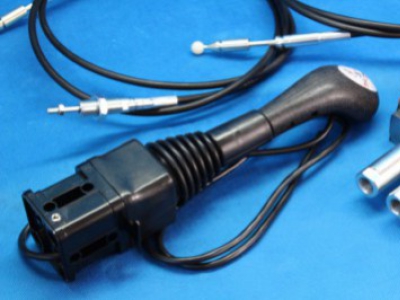
Joystick Loader Valve: Features, Functionality, and Applications
The joystick loader valve is a key component in many vehicles and hydraulic systems, offering precise and intuitive control over hydraulic functions. These valves are commonly used in loaders, diggers, and even lumber cranes, where human operation is required for tasks such as lifting, tilting, or rotating machinery. Due to their versatility and efficiency, joystick loader valves are popular across various industries, ensuring smooth and accurate control over hydraulic systems.
Design and Operation of Joystick Loader Valves
A joystick loader valve operates on principles similar to a standard directional hydraulic valve. It consists of a closed tube with multiple holes and pistons inside. The input holes connect to hoses that deliver hydraulic fluid from the pump to the piston, and the output holes transport the fluid from the valve to hydraulic cylinders, powering the movement of the loader or other machine. These valves can be used in closed or open circulation systems, depending on the machinery and task.
Joystick loader valves are typically multi-section and multi-way, meaning they can control multiple hydraulic actuators simultaneously. For operators, the valve’s lever looks and feels like a standard console or computer joystick, making it intuitive to use.
Control Methods and Configurations
Joystick loader valves can be controlled in several ways, depending on the application. The most common method is via a manual lever, where the operator directly manipulates the joystick to control the flow of hydraulic oil through the valve. Every movement of the joystick corresponds to a specific hydraulic function, such as extending or retracting a hydraulic cylinder.
There are two main control configurations for joystick loader valves:
Cabin Control: In this setup, the joystick is located in the operator’s cabin, while the valve itself is operated electrically using solenoids or servomotors. This allows for remote operation, providing the operator with more comfort and control, especially in larger machines.
Direct Control: In some cases, the joystick is mounted directly on the valve, allowing the operator to control the valve manually without the need for electrical components. This setup is often used for smaller or more straightforward machinery.
Operating Positions
Most joystick loader valves offer three or five positions, depending on the complexity of the machine and the required control. The common positions include:
- Neutral Position: When the joystick is vertical, the hydraulic fluid is directed to overflow, and the piston cylinder remains stationary.
- Work Position (Extend): Moving the lever forward causes the piston cylinder to extend, activating the hydraulic actuator.
- Work Position (Retract): Pulling the lever backward retracts the piston cylinder, returning the actuator to its original position.
For five-position levers, the additional two positions—left and right—are used to control side movements, providing more versatility in loader operations.
Many joystick loader valves are equipped with spring-loaded levers, which return to the neutral position when released. This feature enhances safety and ease of use, ensuring that the machine halts when the operator is not actively controlling it.
Key Parameters of Joystick Loader Valves
Several key specifications determine the performance of joystick loader valves, making them suitable for specific applications:
- Piston and Thread Diameters: The size of the piston and thread connections affects the valve’s compatibility with different hydraulic systems and the volume of fluid it can handle.
- Flow Efficiency: Measured in liters per minute (LPM), this defines how much hydraulic fluid the valve can process during operation.
- Maximum Pressure: This indicates the highest pressure the valve can withstand, ensuring it can handle the demands of heavy machinery.
For joystick loader valves, the number of possible directions the lever can move is also critical, as it defines the range of movements the operator can control.
Operating Conditions
Joystick loader valves are designed to withstand extreme conditions, ensuring their durability and reliability in demanding industrial environments. These valves can operate within an ambient temperature range of -40°C to +60°C, while the oil temperature should remain between -15°C and +80°C. The type of hydraulic oil used depends on the valve model and manufacturer specifications, ensuring optimal performance and longevity.
Applications of Joystick Loader Valves
Joystick loader valves are widely used in machinery that requires precise hydraulic control, making them indispensable in industries such as:
Loaders: These valves control the hydraulic cylinders that manage lifting, tilting, and moving of loader arms and attachments, such as buckets or forks.
Diggers and Excavators: Joystick loader valves provide fine control over the arm and bucket movements in digging and scooping tasks.
Lumber Cranes: In forestry operations, joystick loader valves are used to control hydraulic cranes that lift and position heavy logs or materials.
Conclusion
The joystick loader valve is a versatile and essential tool in modern hydraulic systems, offering precise control over various functions in loaders, diggers, and other machinery. Whether operated manually or through electric control systems, these valves provide flexibility, efficiency, and safety, ensuring smooth and controlled operation across a wide range of applications. With robust design specifications and the ability to handle extreme conditions, joystick loader valves are a valuable asset for industries that rely on hydraulic systems for heavy-duty tasks.
Photo Gallery


-Photoroom.jpg)
Do you need help?

Contact with us today!
We will help you select right kit. Contact us today at shop@hydraulic-master.com