
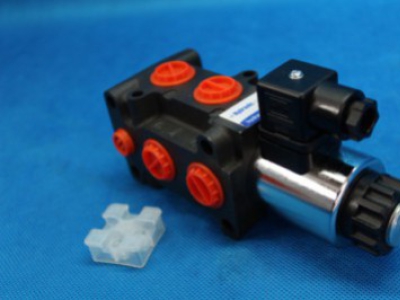
Solenoid Directional Control Valve: Functionality and Installation
The solenoid directional control valve is a highly efficient device used in a wide range of hydraulic and pneumatic systems, providing precise and electrically controlled movement of fluid. While the construction of the solenoid valve is relatively simple, its installation and operation can present challenges, requiring a deep understanding of the system in which it is used. Despite the complexity, solenoid directional control valves are an excellent solution for replacing large, manual, or remote hydraulic systems with a more compact, cost-effective alternative.
Design and Functionality of Solenoid Directional Control Valves
Unlike manually operated valves, solenoid directional control valves are controlled electrically using an electromagnet. This makes them highly versatile, allowing for remote operation and automation in hydraulic systems. The solenoid valve controls the direction of fluid flow in the system, enabling precise operation of hydraulic cylinders, motors, or other actuators.
The electromagnet at the heart of the valve consists of several key components:
- Winding: This coil is made of copper wire and is wound around a plastic, ceramic, or brass casing.
- Iron Casing: Surrounding the coil, the iron casing acts as a yoke, absorbing the magnetic field induced by the electrical current flowing through the winding.
- Iron Spindle: The spindle is a movable iron rod that interacts with the magnetic field. As the magnetic field strength increases, the spindle moves within the coil, exerting force on the valve and changing its position to control fluid flow.
When the coil is energized, the air gap between the spindle and the yoke decreases, increasing the magnetic field's strength and moving the valve to the desired position. Once fully submerged in the coil, the spindle closes the air gaps, allowing the valve to function effectively.
Advantages of Solenoid Directional Control Valves
One of the primary benefits of solenoid directional control valves is their compact design and ease of installation. They offer significant space savings compared to complex manual or hydraulic control systems, making them ideal for applications where size and weight are critical factors. Additionally, solenoid valves reduce costs due to their simplicity in mounting and operation.
- Electric Control: Solenoid valves can be operated remotely or automatically, providing precise control over fluid direction without the need for manual intervention.
- Simplified System: Solenoid valves eliminate the need for large and complex hydraulic systems, offering a streamlined solution that is easier to install and maintain.
- Cost-Effective: With fewer moving parts and simplified installation, solenoid directional control valves offer cost savings both in terms of initial setup and ongoing maintenance.
Key Considerations for Control and Operation
The control system of a solenoid directional control valve is a crucial factor in its overall performance. Choosing the right control method is essential, as an incorrectly selected solution can lead to more problems than it solves. For example, the voltage used to power the solenoid must be carefully matched to the system's requirements to avoid malfunction or damage.
Most solenoid valves contain one or two electromagnets. When the electromagnet is activated, it moves the slider inside the valve, shifting fluid flow according to a specific wiring diagram. In more complex solenoid valves, there may also be a vent hole for managing excess pressure or fluid.
Solenoid valves are typically fast-acting, with the ability to switch on and off multiple times per second. However, this requires careful attention to the valve's electrical specifications, as excessive or improper cycling can lead to wear or failure of the electromagnet.
Installation and Documentation
Before installing a solenoid directional control valve in a machine, it is critical to review the documentation for the specific model. Solenoid valves can vary widely in design, and choosing the wrong model for your system can lead to wasted time and money. Proper installation also requires a solid understanding of the system’s electrical and fluid dynamics, particularly when the valve is expected to perform high-speed operations, such as switching several times per second.
One of the most significant challenges with solenoid valves is understanding their electromagnetic control process. Without proper knowledge, users may struggle with installation and operation, especially in complex systems requiring precise timing and coordination between the solenoid's activation and the machine's hydraulic functions.
Common Applications of Solenoid Directional Control Valves
Solenoid directional control valves are widely used in many industries due to their reliability and ease of automation. Common applications include:
Hydraulic and Pneumatic Systems: These valves are used in systems requiring precise control over the direction of fluid or air, such as in manufacturing machinery or automated production lines.
Automotive Systems: Solenoid valves play a key role in automotive hydraulics, controlling the movement of components like brake systems or transmission shifts.
Industrial Automation: In industrial settings, solenoid valves are essential for controlling actuators, cylinders, or other devices that require accurate fluid control.
Conclusion
The solenoid directional control valve offers an efficient, space-saving, and electrically controlled solution for managing fluid direction in hydraulic systems. Although installation and operation require a strong understanding of the system's specifications, the benefits of solenoid valves, such as ease of control, compact size, and reduced complexity, make them a valuable component in many industries. By carefully selecting the right valve and control system, businesses can improve their hydraulic systems' performance and reduce the costs associated with larger, more complicated setups.
Photo Gallery

-Photoroom.jpg)
-Photoroom.jpg)

Do you need help?

Contact with us today!
We will help you select right kit. Contact us today at shop@hydraulic-master.com