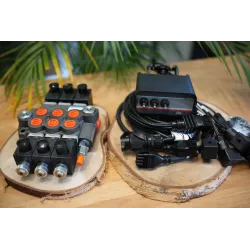
Understanding Spool Valves: Types, Uses, and Applications

Understanding Spool Valves: Types, Uses, and Applications

Hydraulic and pneumatic systems rely on valves to control the flow and direction of fluid or air. Among these, spool valves are some of the most common and versatile. They’re found in everything from industrial machinery to automotive systems, and understanding how they work can help operators, engineers, and technicians choose the right valve for their application.

What is a Spool Valve?

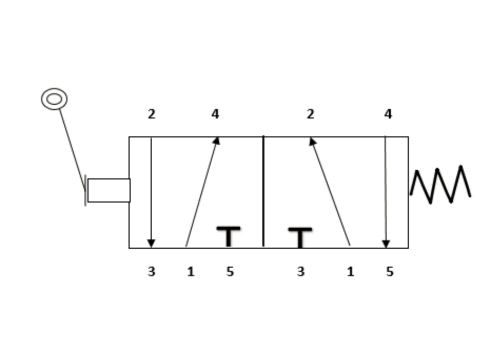
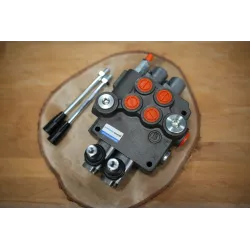
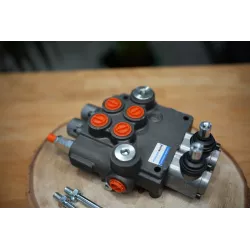
A spool valve is a type of directional control valve that uses a cylindrical spool inside a sleeve (or housing) to regulate fluid flow. As the spool shifts back and forth, different flow paths open or close, directing hydraulic fluid or compressed air to specific ports.

The "spool" can be moved manually, electrically (solenoid-operated), hydraulically, or pneumatically.

Types of Spool Valves

There are many types of spool valves, categorized by how many ports and positions they have:

  1. 2-Way, 2-Position Spool Valve (2/2 Valve)

    • Simplest type.

    • Two ports (inlet and outlet) with two positions (open or closed).

    • Commonly used for simple on/off flow control.

  2. 3-Way, 2-Position Spool Valve (3/2 Valve)

    • Three ports: inlet, outlet, and exhaust.

    • Often used in pneumatic systems to control single-acting cylinders.

  3. 4-Way, 2-Position Spool Valve (4/2 Valve)

    • Four ports: pressure, tank (return), and two actuator ports.

    • Used to control double-acting cylinders or bidirectional motors.

  4. 4-Way, 3-Position Spool Valve (4/3 Valve)

    • Same four ports, but with a center position that can be:

      • Closed Center (all ports blocked),

      • Open Center (all ports connected), or

      • Tandem/Float Center (different flow arrangements).

    • Offers more precise control for hydraulic machinery.

Applications of Spool Valves

Spool valves are widely used across industries, including:

  • Construction Equipment: Excavators, loaders, and cranes use spool valves to control hydraulic cylinders and motors.
  • Manufacturing: Automated machinery relies on pneumatic spool valves for actuating cylinders in production lines.
  • Agriculture: Tractors and harvesters use them for hydraulic attachments.
  • Automotive Systems: Transmission control and steering systems often integrate spool valves.
  • Aerospace & Marine: Hydraulic actuation systems in planes and ships depend on spool valves for safe, precise control.

Why Choose Spool Valves?

  • Versatility: Can control hydraulic or pneumatic systems.

  • Compact Design: Handles multiple flow paths in one component.

  • Reliability: Built to withstand high pressures and demanding conditions.

  • Ease of Operation: Can be manually or automatically controlled.

Final Thoughts

Spool valves may seem like small components, but they’re at the heart of fluid power systems. Whether you’re lifting heavy machinery, automating a factory process, or operating farm equipment, chances are a spool valve is doing the critical job of directing flow where it’s needed most.

If you’re not sure which spool valve is right for your system, or if you need a custom hydraulic solution, feel free to reach out — send us an email at hydraulic-master.com and our team will help you find the best fit.

Share this content

Add a comment