Understanding Hydraulic Diverters: Key Components in Hydraulic Systems

Understanding Hydraulic Diverters: Key Components in Hydraulic Systems

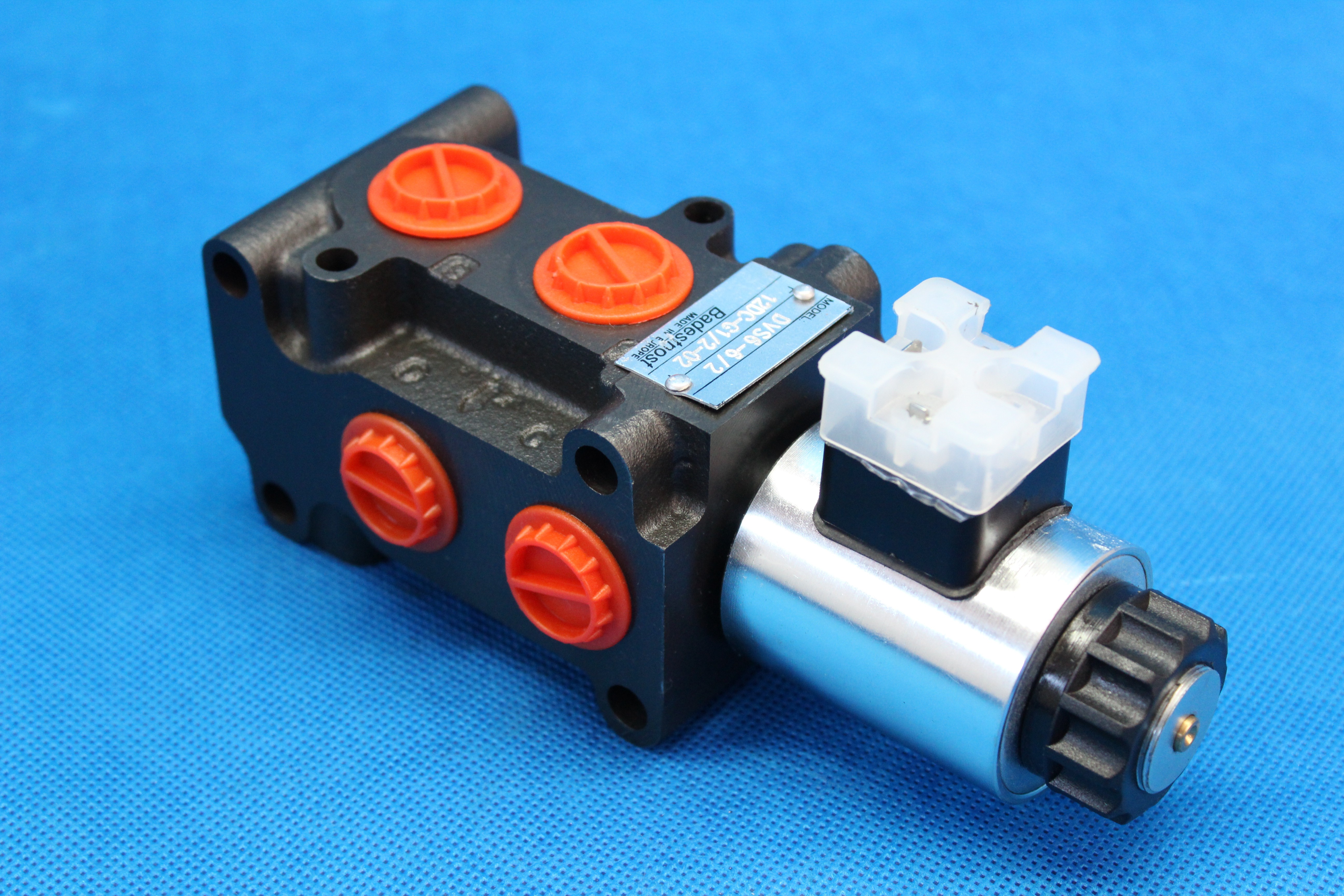
A hydraulic diverter is a crucial component in any hydraulic system, acting as a valve designed to control the direction of fluid flow within the system. One important role of hydraulic diverters, especially when integrated into manifolds, is to relieve the pump during system interruptions or breaks.

When fluid flow suddenly stops or drops in a hydraulic system, the diverter protects the pump from overloading by redirecting or stopping the fluid movement. This valve also enables control over the pump’s position and function within the system.

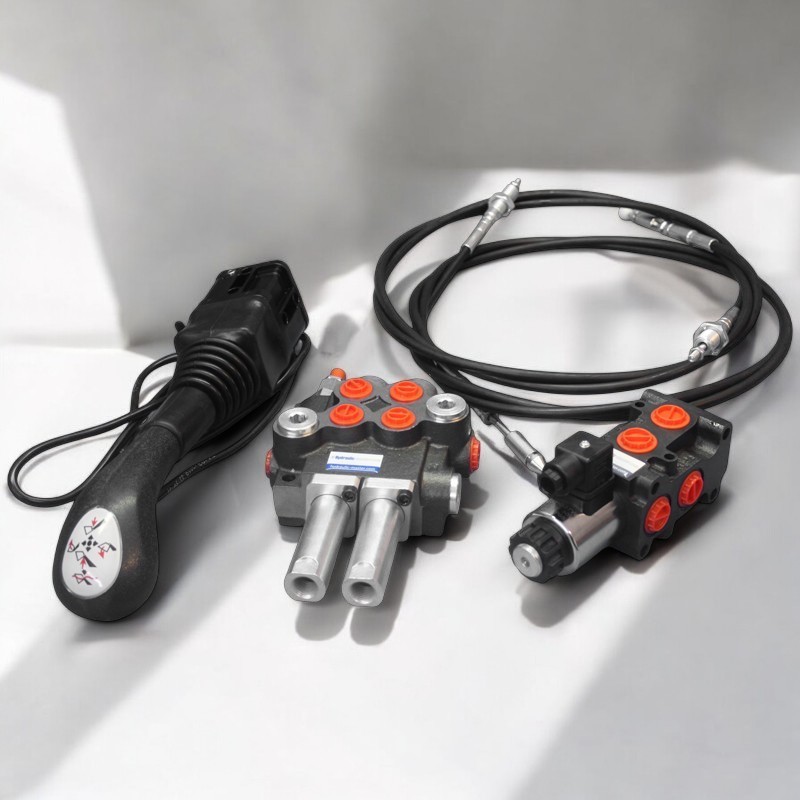
Hydraulic diverters are widely used in agricultural and industrial machinery. In these applications, they redirect the working fluid—typically hydraulic oil—to specific parts of the system or to different components as needed. Usually, the diverter is installed between the fluid supply (like a pump) and the receiver (such as an engine or actuator), connected via hydraulic hoses and fittings.

Types of Hydraulic Diverters

Hydraulic diverters can be classified into three main types based on their design:

  • Directional Spool Valves: These operate using a sliding spool that moves within a cylinder. The spool’s position controls the flow of fluid through the valve. They can be controlled either mechanically or electrically.

  • Socket Manifolds: These use a ball valve mechanism to regulate fluid movement. The ball can fully open or close the fluid passage depending on system demands.

  • Intrinsically Safe Diverters: Designed for hazardous environments with high explosion risks—such as mines—these valves use pistons activated by control coil voltage to manage fluid flow safely.

Construction Types

Hydraulic diverters also differ by construction into:

  • Monoblock Manifolds: Known for their ability to withstand higher pressure levels.

  • Block Manifolds: These typically handle lower pressure compared to monoblocks.

Sections and Control Methods

Hydraulic diverters come in various configurations, including one-, two-, or three-section designs. They are also categorized by their control method, with manual and electric options available.

Applications of Hydraulic Diverters

Beyond agriculture, hydraulic diverters play a vital role in mining, industrial machinery, and material handling equipment like forklifts. They are indispensable in operating baler presses, loaders, and many other agricultural machines.

Why Are Hydraulic Diverters Essential?

The operation of a hydraulic diverter can be compared to a controller within the hydraulic system. Its primary function is to start, stop, or redirect the flow of hydraulic fluid, ensuring smooth and efficient operation of machinery. Without hydraulic diverters, many industrial and agricultural machines wouldn’t be able to function effectively.

Conclusion

Hydraulic diverters play a vital role in controlling fluid direction and ensuring the smooth, safe, and efficient operation of hydraulic systems across industries—from agriculture to mining. With various types and configurations available, selecting the right diverter for your needs can make a significant difference in performance and longevity.

If you need expert advice or assistance choosing the right hydraulic diverter for your system, feel free to reach out to us at Hydraulic Master. Our team is here to help you find the best solution for your equipment—whether you're upgrading, troubleshooting, or building a new system from scratch. Let’s keep your machines running smoothly!

Share this content

Add a comment