Understanding Hydraulic Valves and Monoblocks: A Comprehensive Buyer’s Guide

Understanding Hydraulic Valves and Monoblocks: A Comprehensive Buyer’s Guide

Hydraulic valves and monoblocks are essential components in fluid power systems, controlling the flow, direction, and pressure of hydraulic fluids to power machinery effectively. Making the right choice is key to maximizing equipment performance and minimizing downtime.

Types of Hydraulic Valves Explained

Manual Valves
These valves are operated by levers, offering straightforward and dependable control over fluid flow. They are ideal for applications that do not require electronic control or automation.

Solenoid-Controlled Valves
Powered by electrical signals (12V or 24V), solenoid valves allow remote or automated control, integrating easily with electronic systems. They are widely used in modern machinery where precision and automation are priorities.

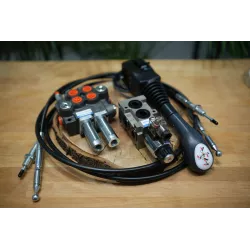
Joystick and Cable Operated Valves
These valves enable multi-directional and multi-function control through joysticks or cables. They offer ergonomic operation for complex tasks in forestry, agriculture, and construction machinery, improving operator efficiency.

Proportional Valves
Proportional valves provide adjustable flow and pressure management, allowing for smooth and accurate control of hydraulic functions. They are essential for advanced hydraulic systems that require gradual modulation of speed or force, such as in industrial automation or heavy machinery.

Key Specifications to Consider

  • Flow Rate (GPM/LPM): Ensure the valve supports the maximum flow your system requires to avoid bottlenecks.

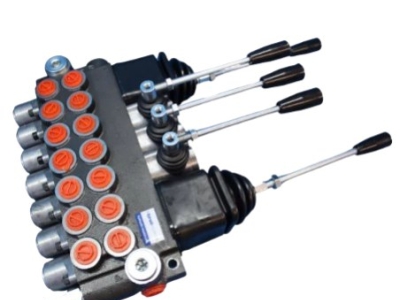
  • Spool Sections: Valves come with different numbers of spools (single, double, multi-way). More spools allow for controlling multiple hydraulic functions simultaneously.

  • Power Beyond Ports: These ports enable additional hydraulic functions by allowing oil flow beyond the valve sections, useful for modular system expansion.

  • Voltage and Control Type: Confirm the solenoid voltage (12V or 24V) matches your system, and decide if manual, electric, or joystick control suits your operational needs.

  • Durability and Materials: For harsh environments like salt spreaders or mining, choose valves with corrosion-resistant materials and robust construction.

Installation Tips

  • Regular Inspection: Periodically check for leaks, corrosion, or physical damage to valves and connections.

  • Cleaning: Keep valve bodies and control levers clean from dirt and debris to ensure smooth operation.

  • Fluid Quality: Maintain clean, filtered hydraulic fluid to prevent internal valve damage.

  • Signs of Wear: Watch for sluggish operation, noise, or erratic hydraulic functions as signs of valve wear or failure. Replace worn valves promptly to avoid system damage.

Choosing the Right Hydraulic Valve for Your Application

Understanding your machine’s requirements is the first step. Consider the type of machinery (construction, agriculture, forestry, mining), the hydraulic system’s pressure and flow demands, and the control method preferred (manual, electric, proportional). Our range at Hydraulic-Master offers valves compatible with leading brands such as Caterpillar, John Deere, Komatsu, and more, backed by expert advice to help you make the best choice.

Need Assistance?

If you’re unsure which hydraulic valve or monoblock fits your application, our experienced team is here to help. Contact Hydraulic-Master today for personalized recommendations, technical support, and reliable parts that keep your equipment running smoothly.

Share this content

Add a comment